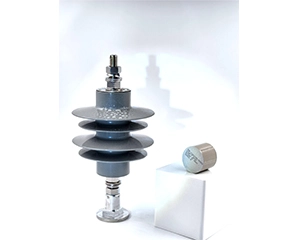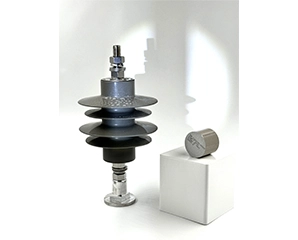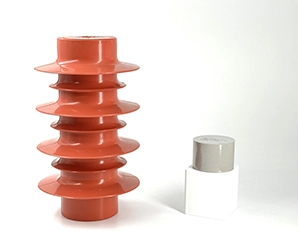
In high-voltage environments such as substations, lightning arresters play a crucial role in protecting electrical systems from lightning strikes and other surge events. The proper selection and customization of a lightning arrester in substation settings are vital to ensure the safety and reliability of the entire power grid. When customizing lightning arresters for substations, several important factors must be considered to optimize performance and durability. From voltage ratings to material types, these considerations impact both the initial cost and long-term functionality of the arrester system. In this article, we explore the key considerations when customizing lightning arrester in substation applications.
Voltage rating is one of the most important factors when selecting a lightning arrester for use in substations. The voltage rating determines the maximum voltage the arrester can handle without failing. It is essential to ensure that the lightning arrester is properly rated for the voltage levels typically encountered in the substation environment. Selecting an arrester with a voltage rating too low can result in insufficient protection, leading to damage from lightning-induced voltage surges. On the other hand, an arrester with a very high voltage rating might be unnecessarily large and costly. A well-balanced selection based on the substation's operating conditions is critical for ensuring the best protection.
The materials used in the construction of lightning arresters also play a significant role in their performance and longevity. Most modern lightning arresters are made from materials such as metal oxide varistors (MOVs), silicon carbide, or zinc oxide, which are known for their excellent surge protection capabilities. In substations, where exposure to extreme weather conditions and voltage spikes is common, the materials must be able to withstand not only electrical surges but also environmental factors like corrosion, humidity, and extreme temperatures. When customizing a lightning arrester, choosing materials with high durability and resistance to degradation is essential for minimizing maintenance requirements and ensuring long-term reliability.
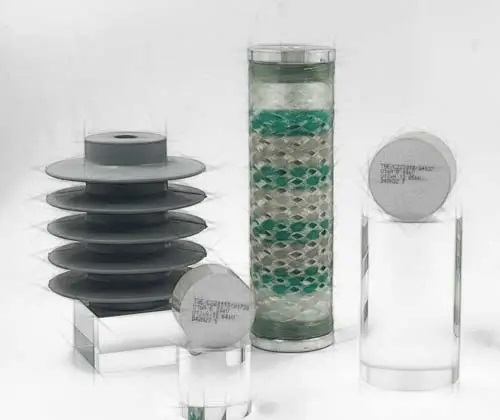
Substations are often located in regions with extreme weather conditions, including heavy rainfall, high winds, and thunderstorms. Customizing lightning arresters to suit specific environmental conditions is crucial for ensuring that they remain functional during inclement weather. For example, in coastal areas where saltwater exposure can cause corrosion, selecting a corrosion-resistant alloy for the lightning arrester casing is highly recommended. Additionally, consideration should be given to the arrester's ability to handle temperature fluctuations, as extreme cold or heat can affect the performance of certain materials. Customizing lightning arresters to the specific environmental demands of the substation location ensures they can provide reliable protection year-round.
Surge protection requirements can vary significantly depending on the power system in question. In substations, lightning arresters need to handle large voltage surges, often resulting from lightning strikes or power system switching. The customization of the lightning arrester should account for the magnitude of expected surges and the specific sensitivity of the substation's electrical equipment. For example, areas with frequent lightning strikes may require arresters that are designed to divert larger amounts of energy, while locations with less frequent but high-intensity events may require arresters optimized for higher energy absorption rates. Customizing arresters based on the system's surge protection needs ensures that the equipment is capable of handling unpredictable surge events without failure.
Once a lightning arrester is installed in a substation, it is important to incorporate regular maintenance and monitoring practices to ensure that the system continues to function optimally. Regular inspections can help identify potential issues such as wear and tear, corrosion, or decreased performance due to environmental exposure. For customized lightning arresters, establishing a monitoring routine is even more critical, as these systems are tailored to specific needs and conditions. By closely monitoring performance and conducting routine checks, substation operators can ensure that the lightning arrester remains effective at protecting sensitive electrical equipment from damage caused by lightning or other surge events.
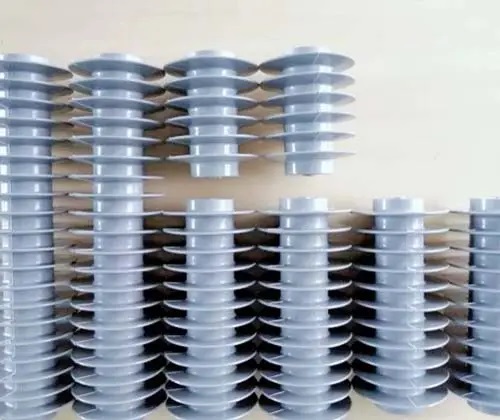
Customizing lightning arresters for substation applications is essential for ensuring the safety, longevity, and reliability of power systems. By considering factors such as voltage ratings, material selection, environmental conditions, and surge protection needs, operators can make informed decisions about the most suitable arrester for their specific requirements. Additionally, regular maintenance and monitoring ensure that the customized arresters continue to provide long-term protection against damaging lightning strikes and electrical surges. Proper customization ultimately maximizes the effectiveness of lightning arresters in safeguarding high-voltage systems in substations.
References:
1. IEEE Standards Association - Lightning Protection
 English