Lightning surges are among the most destructive forces that can compromise the integrity of power systems. They can cause irreparable damage to electrical components, disrupt the power supply, and lead to significant financial losses. Lightning arresters, particularly lightning surge arresters, play a critical role in safeguarding power systems by diverting harmful electrical surges away from sensitive equipment. In this article, we will explore the importance of Lightning Arrester in Power Systems, focusing on their role in ensuring system protection and reliability.
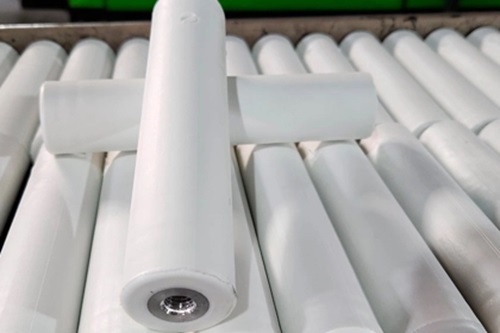
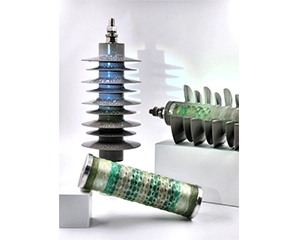
Lightning surge arresters are vital components in power systems, designed to protect electrical equipment from the high-voltage surges caused by lightning strikes. These devices function by providing a safe path for lightning-induced electrical energy, channeling the surge into the ground and preventing it from reaching the system's critical components. A lightning surge arrester in a power system essentially absorbs or redirects the surge, thus avoiding catastrophic damage to transformers, circuit breakers, and other vital parts of the infrastructure. This protection ensures that the power grid operates without interruptions, even in the face of violent weather conditions.
Power transformers and circuit breakers are essential for the distribution and regulation of electrical power. However, these components are highly susceptible to damage from lightning strikes. A single surge from a lightning event can cause long-lasting damage to these devices, leading to costly repairs and long downtime. Lightning arresters play a crucial role in safeguarding these components by diverting the harmful surge energy before it reaches them. By integrating lightning surge arresters in key areas, such as substations and transformer stations, power systems can maintain operational efficiency and prevent disruptions caused by lightning.
Reliability is one of the most critical aspects of any power system. Electrical grids must be capable of delivering power consistently without interruptions, and any failure in the system can have far-reaching consequences, from affecting businesses to public safety. Lightning arresters are essential in ensuring that electrical grids remain operational during stormy weather. The rapid response time of a lightning arrester helps to keep the grid stable, preventing the sudden voltage spikes that could otherwise damage equipment or cause blackouts. By incorporating lightning surge arresters at key points in the grid, operators can achieve enhanced system reliability, reducing the risk of unscheduled outages caused by lightning.
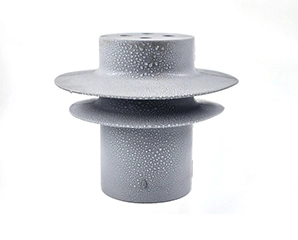
Modern lightning arresters have evolved with advances in materials and engineering. They are designed to be highly efficient, durable, and capable of handling extremely high voltage surges. The core material used in the construction of lightning arresters plays a significant role in their effectiveness. Materials like metal oxide varistors (MOVs) are commonly used for their high energy-absorbing capacities. These materials help arresters quickly and safely divert the surge energy, ensuring the protection of the power system. As power systems become increasingly complex with the integration of renewable energy sources and digital controls, lightning arresters must be able to perform reliably in a variety of environments and conditions.

As global energy demands increase, the role of Lightning Arrester in Power Systems will continue to grow. Modern power grids are becoming more interconnected, and the threat of lightning strikes remains ever-present. In the future, lightning surge arresters are expected to become more intelligent, with the ability to detect and respond to surges in real-time. Furthermore, ongoing advancements in materials science will likely lead to even more effective and durable lightning arresters that can withstand higher surge levels and last longer under extreme conditions. The continued development of lightning arresters will be crucial in ensuring that power systems remain resilient and capable of meeting the needs of a rapidly evolving energy landscape.
References:
1. IEEE Power & Energy Society
 English