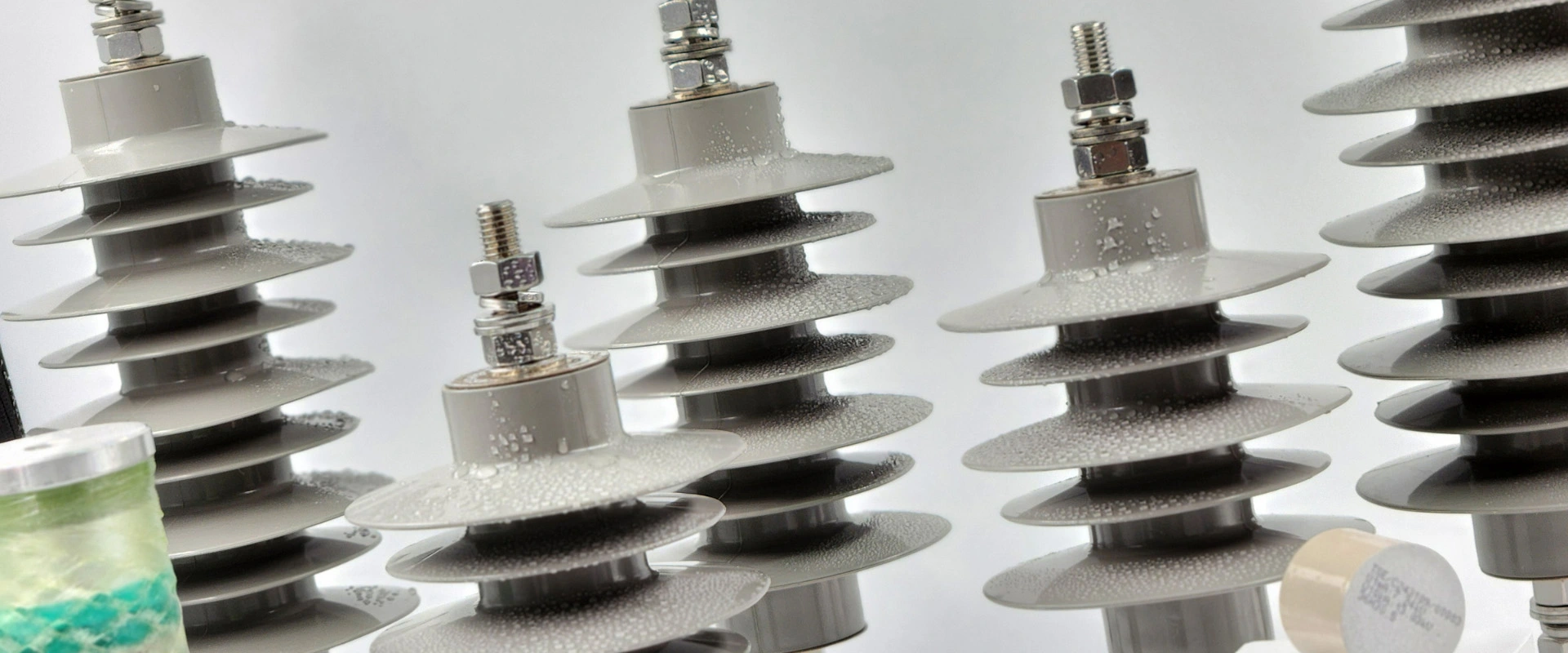
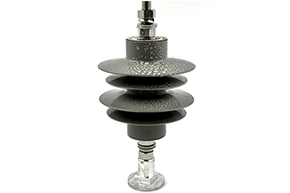
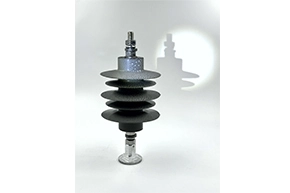
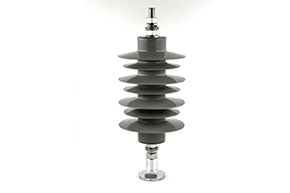
TGE-MOA-A series arresters are used for equipment overvoltage protection under heavy load conditions in AC distribution system, and are designed for users in countries and regions that adopt IEC60099-4 standard. TGE-MOA-A core element (metal oxide resistor) is made of nonlinear excellent ceramic piezoresistor material, mainly composed of zinc oxide mixed with other metal oxides and sintered together. The product meets the technical requirements of the latest version of IEC 60099-4:2014, IEEE Std C62.11-2020, IEC 60099-9 and GB/T 11032-2020.

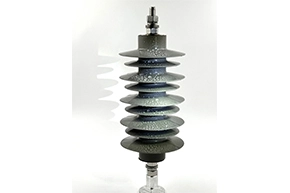
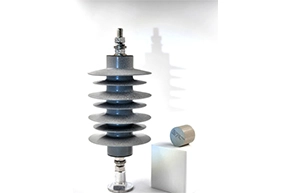

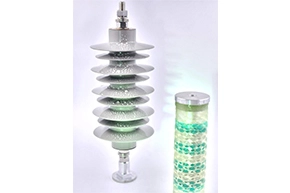
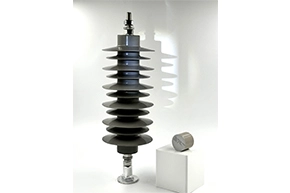
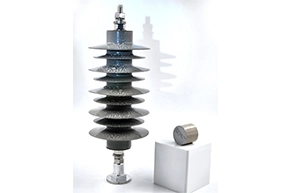
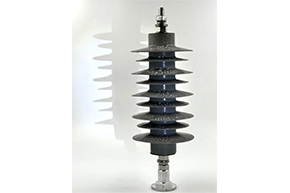
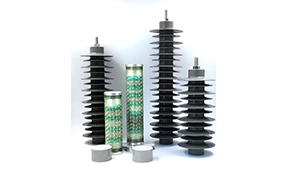
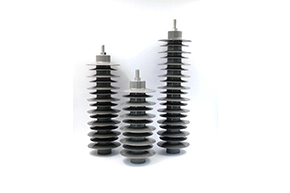
Metal oxide varistor with excellent nonlinear characteristics
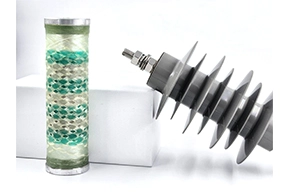
Patented manufacturing technology for the wrapping core of the arrester
Durable HTV material with excellent hydrophobicity, long-term UV light and salt spray aging resistance and high electrical insulation performance.
Excellent short circuit characteristics, high mechanical properties, good sealing performance.
Selecting a distribution class surge arrester requires matching the arrester's electrical ratings, charge capability and external construction to the actual network conditions. For TGE-MOA-A Series products, use the following four-step process.
Step 1 - Identify system parameters: Confirm the highest system voltage (Us), neutral grounding method, available short-circuit current and the LIWV/BIL of the equipment to be protected.
Step 2 - Determine electrical ratings: Select continuous operating voltage (Uc) and rated voltage (Ur), then verify the required distribution class and repetitive charge transfer capability.
Step 3 - Verify protection level and environment: Check residual voltage against the equipment insulation level, then confirm housing, creepage distance and installation conditions.
Step 4 - Confirm the model and accessories: Cross-check the electrical and mechanical criteria and select the required disconnector, insulating bracket, wildlife protection or mounting hardware.
System condition | Uc selection principle | 36 kV example from source catalogue |
Effectively grounded | Uc ≥ Us / √3 + 5% safety margin | Uc ≥ 21.8 kV |
Non-effectively grounded / isolated | Uc ≥ Us | Uc ≥ 36 kV |
Class | Nominal discharge current (In) | Minimum Qrs | Minimum Qth |
DL | 2.5 kA or 5 kA | 0.1 C | 0.45 C |
DM | 5 kA or 10 kA | 0.2 C | 0.70 C |
DH | 10 kA | 0.4 C | 1.10 C |
The arrester residual voltage (Ures) is the clamping level produced when the specified impulse current flows through the MOV stack. It should be coordinated with the equipment insulation level rather than compared as if both values represented the same function.
The source selection guide recommends checking both the arrester housing withstand margin and the overall insulation coordination margin at the protected equipment. Installation lead length, travelling-wave effects and discharge current can increase the effective voltage seen at equipment terminals, so the arrester should be installed as close as practical to the equipment it protects.
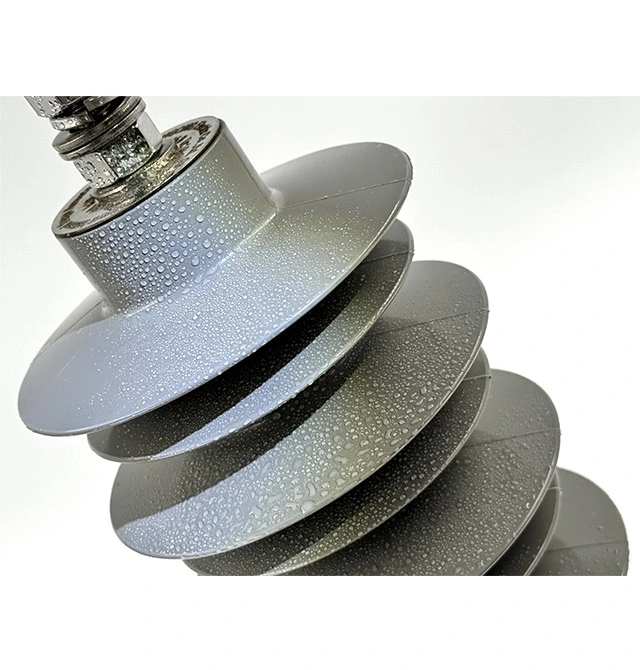
TGE-MOA -A series distribution arrester products adopt epoxy glass wire winding, engineering plastic injection molding and other core structure, can meet the different needs of users. It has strong impact discharge ability In and charge transfer ability Qt. The winding core is made of glass fiber prepreg epoxy resin with high insulation/mechanical strength. The layered mesh winding core has extremely strong insulation strength, extremely high mechanical strength and up to 20kA short-circuit capability. Full encapsulation high temperature vulcanized silicone rubber outer insulation umbrella cover, with excellent hydrophobic performance. This technology provides perfect adhesion, thus preventing moisture penetration and improving reliability. The insulation material of the product meets the fire prevention requirements of EN45545-2:2020.

Welcome to TGE's Customer Connect Center. Experienced specialists are here for you 365 days a year.
No.1616 TianZhang Avenue, Feng Dong Xin Cheng, Xi'an, China.
 English