Metal oxide varistor (MOV) is a type of electronic component that is widely used in electronic circuits and power systems. It is a voltage-dependent resistor that is designed to protect electrical and electronic devices from overvoltage spikes and surges. In this article, we will explore what a MOV is, how it works, and why it is essential in modern electronic systems.
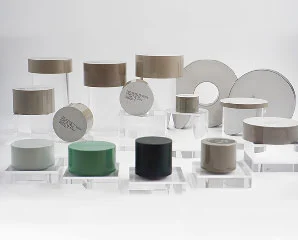
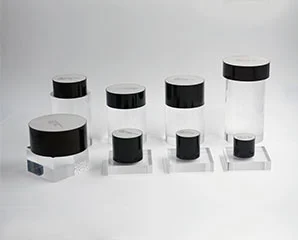
A metal oxide varistor or MOV is a type of resistor that exhibits non-linear voltage-dependent behavior. It is made of a ceramic material that contains a metal oxide and is sandwiched between two metal electrodes. The ceramic material has a high resistance at low voltage, but as the voltage increases, the resistance decreases rapidly, allowing the MOV to conduct current and dissipate the excess energy as heat.
MOV works by clamping the voltage and limiting the voltage spikes that occur in electrical circuits. When the voltage across the MOV exceeds a certain threshold, it begins to conduct current, limiting the voltage by diverting the excess energy away from the electrical device. This protects the device from damage caused by overvoltage and voltage spikes.
MOV can respond to voltage spikes much faster than other protective devices like fuses and circuit breakers. This makes metal oxide varistors movs an excellent choice for protecting sensitive electronic devices against surges, spikes, and transients that can cause malfunction and damage.
In modern electronic systems like computer networks, telecommunications, and power distribution systems, the risk of damage from voltage spikes and surges is high. A voltage spike can occur due to lightning strikes, power outages, electromagnetic interference, or other factors. Without proper protection, these voltage spikes can damage the electrical components, causing system failure and data loss.
Therefore, the incorporation of MOV in the circuit is crucial to prevent damage from voltage spikes. MOV is an inexpensive and versatile device that is compatible with a wide range of electronic circuits and devices. By placing MOV at the entrance of the circuit, it can ensure maximum protection against transient overvoltage. For reliable and top-quality MOVs, TGE is the leading zinc oxide varistor manufacturer, providing essential protection against voltage spikes for modern electronic systems.
Metal oxide varistor (MOV) is a crucial electronic component that protects devices from overvoltage spikes and surges. It is made of a ceramic material that contains a metal oxide and is sandwiched between two metal electrodes. The MOV provides non-linear voltage-dependant behavior and clamps voltage, making it an essential device in modern electronic systems. The incorporation of MOV in electronic circuits is a simple yet effective way to prevent device damage from voltage spikes and improve the system's overall reliability.
Metal oxide varistors (MOVs) are essential surge protection devices with a wide range of applications across industries. Their ability to clamp voltage spikes and absorb excess energy makes them ideal for safeguarding sensitive electronics and electrical systems from transients caused by lightning, power fluctuations, or electromagnetic interference. Below, we explore key MOV applications in power and energy systems, industrial components, and solar systems, highlighting how they enhance reliability and prevent costly damage.
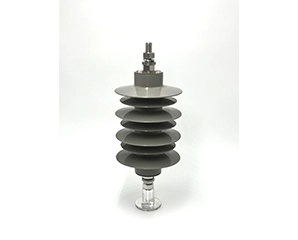
In power and energy systems, MOVs play a critical role in protecting infrastructure from high-voltage surges. They are commonly integrated into surge arresters for AC and DC power lines, helping to stabilize voltage and prevent outages. For instance, in power distribution networks and substations, MOVs shunt excess current away from transformers and switchgear, ensuring uninterrupted operation even during lightning strikes or grid faults.
MOVs are also vital in smart grid technologies and renewable energy integration, where they handle transient voltages in transmission and distribution lines. Their high energy absorption capacity makes them suitable for high-voltage applications, contributing to the overall efficiency of power systems.
For more details on how TGE's high-performance MOVs are used in these scenarios, check out our dedicated page on metal oxide varistors used in power energy industry. As a leading zinc oxide varistor manufacturer, TGE offers MOVs that meet IEEE and IEC standards for robust power system protection.
Industrial environments often involve heavy machinery and sensitive electronics, making MOV applications indispensable for surge suppression. In motor control circuits, MOVs protect insulation and windings from voltage spikes caused by inductive loads or switching operations, extending equipment lifespan and reducing downtime.
They are also widely used in communication equipment, such as routers and industrial automation systems, to shield against electromagnetic interference (EMI) and ensure data integrity. In automotive electronics and factory machinery, MOVs guard against surges from ignition systems or external sources, preventing failures in control units and sensors.
TGE's MOVs are designed for these demanding industrial components, providing reliable protection in harsh conditions. Explore our insights on metal oxide varistors used in industrial components to see how our solutions can optimize your operations.
Solar power systems are particularly vulnerable to voltage surges from lightning or grid instability, which can damage inverters, panels, and batteries. MOV uses in solar installations include integration into surge protective devices (SPDs) to clamp overvoltages and divert harmful energy to ground, preserving system efficiency and longevity.
In photovoltaic (PV) arrays and off-grid setups, MOVs help maintain stable DC voltages, protecting against transients that could reduce energy output or cause fires. As renewable energy grows, MOVs are increasingly applied in large-scale solar farms and residential setups to comply with safety standards.
At TGE, our zinc oxide varistors are engineered for solar applications, offering superior performance in outdoor environments. Learn more about our MOV solutions for renewable energy on our products page, where we detail options for solar lightning arresters and related systems.
In summary, the versatile uses of metal oxide varistors span from everyday power protection to specialized industrial and solar applications, making them a cornerstone of modern electrical engineering. By incorporating TGE's high-quality MOVs, you can achieve effective surge protection tailored to your needs. If you're selecting MOVs for a specific project, consider factors like clamping voltage and energy rating for optimal results.
The primary function of a metal oxide varistor (MOV) is to protect electrical and electronic circuits from voltage surges and transient overvoltages. It acts as a voltage-dependent resistor that remains in a high-resistance state under normal operating conditions. When a surge or spike exceeds a certain threshold (clamping voltage), the MOV quickly switches to a low-resistance state, diverting the excess energy as heat and clamping the voltage to a safe level, thus preventing damage to sensitive components.
The clamping voltage is the maximum voltage that appears across the MOV terminals when a specified surge current flows through it. It is a key specification that determines how effectively the MOV limits the voltage seen by the protected circuit. For example, a MOV rated for 275 VAC might have a clamping voltage around 710 V at 1 mA or higher currents, depending on its design. Always select an MOV with a clamping voltage below the withstand rating of your protected equipment.
MOV lifespan depends on the number, magnitude, and frequency of surges it experiences. Under normal conditions with infrequent small surges, a high-quality MOV can last many years (often 10–20 years or more). However, repeated large surges or continuous overvoltage can degrade the device over time, eventually leading to failure. Regular system testing and using MOVs from reputable manufacturers like TGE help ensure long-term reliability.
Yes, you can perform a basic test using a digital multimeter set to resistance (ohms) mode. Under normal conditions (no voltage applied), a healthy MOV should show very high resistance (often in the megaohms range or “OL” for overload). Applying a small test voltage may show some leakage current, but never test with high voltage unless using specialized equipment. For detailed testing procedures, refer to our guide on MOV and surge arrester testing.
TGE to showcase at 2025 Middle East Energy Dubai,cordially Inviting Global Partners to Explore the Future of Energy Together

The Most Common Applications of Zinc Oxide Varistors in Electronic Systems

The Talent Program Strengthens the Company's Future Innovation Capabilities
 English