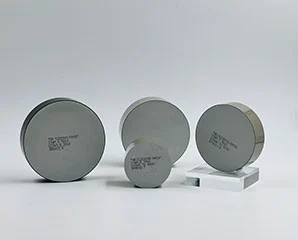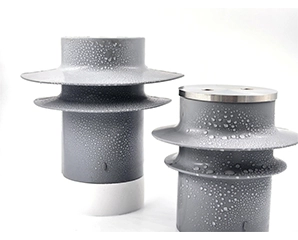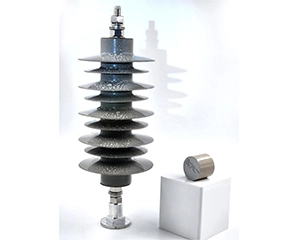
For 10 kV–35 kV surge protection applications, epoxy fiberglass-wound arrester cores are generally preferred when higher mechanical strength, long-term stability, and demanding outdoor performance are required, while PBT arrester cores are suitable for applications where lightweight construction, dimensional accuracy, and cost efficiency are priorities. The correct choice depends on insulation requirements, mechanical stress, environmental conditions, and the design structure of the arrester.
As key lightning arrester components, arrester cores directly influence mechanical reliability, insulation performance, and the service life of surge protection equipment. In medium-voltage systems, selecting the right core material is especially important for products such as a 35kV surge arrester and MOV lightning arrester, where repeated surge events and outdoor exposure can affect long-term performance.
The primary lightning arrester function is to protect electrical equipment by limiting overvoltage caused by lightning impulses and switching surges. The arrester core provides the structural support and insulation foundation that allows the internal components to operate reliably under electrical and mechanical stress.
A typical arrester core works together with:
Metal oxide varistor (MOV) elements
Insulating housing
End fittings
Sealing structures
For an MOV lightning arrester, the core must maintain stable mechanical positioning of MOV blocks while supporting insulation coordination throughout the product lifetime.
PBT and epoxy fiberglass-wound materials are two common choices for arrester core manufacturing, but their properties differ significantly.
Polybutylene terephthalate (PBT) is an engineering thermoplastic known for good electrical insulation, dimensional stability, and efficient processing.
Advantages include:
Lightweight structure
Good moisture resistance
High production efficiency
Stable dimensional performance
PBT cores are often used in compact arrester designs where moderate mechanical strength and manufacturing flexibility are required.
However, compared with fiberglass-reinforced epoxy materials, PBT generally provides lower mechanical strength and may have limitations in applications requiring high mechanical loads or extreme environmental durability.
Epoxy fiberglass-wound cores are manufactured by impregnating fiberglass with epoxy resin, creating a high-strength composite structure.
Their main advantages include:
Excellent mechanical strength
High resistance to environmental stress
Strong load-bearing capability
Superior long-term stability
These characteristics make epoxy fiberglass-wound cores widely used in medium and high-voltage arresters, especially for outdoor applications such as 10 kV, 20 kV, and 35 kV systems.
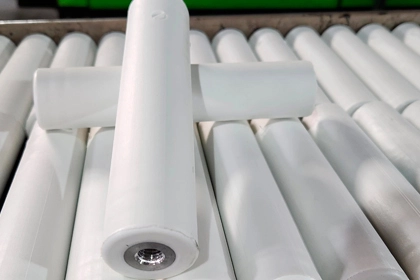
A 35kV surge arrester operates under higher electrical stress and often faces stronger mechanical requirements compared with lower-voltage products.
Epoxy fiberglass-wound cores provide advantages in these conditions because they can:
Support larger MOV stacks
Maintain structural integrity during surge events
Resist mechanical vibration and installation stress
Improve overall arrester reliability
For outdoor distribution networks, where temperature changes, humidity, pollution, and repeated surge exposure are common, epoxy fiberglass-wound designs typically offer better long-term performance.
The performance of an MOV lightning arrester depends not only on MOV characteristics but also on the mechanical and insulation support provided by the arrester core.
A high-quality core helps maintain:
MOV blocks must remain properly positioned to ensure consistent electrical contact and reliable surge discharge performance.
The core material contributes to insulation coordination and reduces the risk of internal electrical failure.
During transportation, installation, and operation, the core protects internal components from mechanical damage.
Poor material selection may result in cracking, deformation, moisture penetration, or reduced arrester lifetime.
Selecting between PBT and epoxy fiberglass-wound cores requires evaluating several application factors.
Higher voltage systems generally require stronger insulation structures and more robust mechanical support. For 35 kV applications, epoxy fiberglass-wound cores are often selected due to their higher load capability.
Outdoor installations exposed to humidity, pollution, and temperature cycling require materials with strong environmental resistance.
Applications with high installation stress or demanding mechanical loads benefit from fiberglass-reinforced epoxy structures.
PBT may provide advantages in large-volume manufacturing where lightweight and efficient processing are important.
Yes, PBT arrester cores can be suitable for certain medium-voltage applications, particularly where mechanical requirements are moderate and compact designs are needed.
However, for higher voltage classes such as 35 kV or applications requiring enhanced durability, epoxy fiberglass-wound cores are often a more reliable choice because of their superior mechanical properties.
Professional arrester core manufacturers focus on:
Material selection and formulation
Precision winding processes
Resin impregnation quality
Mechanical strength testing
Insulation performance verification
These manufacturing controls ensure that lightning arrester components maintain stable performance under repeated electrical and environmental stress.
Choosing between PBT and epoxy fiberglass-wound arrester cores depends on the specific requirements of the surge protection system. PBT offers advantages in lightweight and efficient manufacturing, while epoxy fiberglass-wound cores provide superior mechanical strength and durability for demanding applications.
For 10 kV–35 kV designs, especially 35kV surge arrester and MOV lightning arrester applications, epoxy fiberglass-wound cores are often preferred when reliability, environmental resistance, and long service life are critical. Selecting the appropriate core material is an essential step in improving the overall lightning arrester function and ensuring stable power system protection.
An arrester core supports internal components and provides mechanical strength and insulation stability.
Epoxy fiberglass-wound cores generally provide higher mechanical strength, while PBT offers lightweight and cost-effective solutions.
They provide better mechanical durability and insulation reliability under higher voltage and environmental stress.
Main components include MOV blocks, arrester core, insulating housing, and connection fittings.
Yes, but suitability depends on voltage level, environmental conditions, and mechanical requirements.
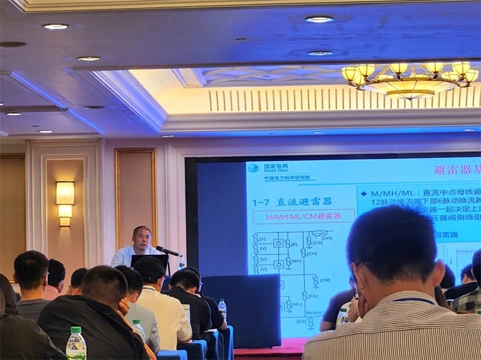
IEC/TC37 Spring Meeting of Working Group 14 was successfully concluded in Xi'an Jointly drawing a new chapter of lightning protection
TGE Co-Hosts 2025 Arrester Technology Training and Standard Publicity Conference in Xi'an
Zhao Dongyi disassembled the core of resistor chip manufacturing, and Huang Jiarui elaborated on the key points of inspection
 English